
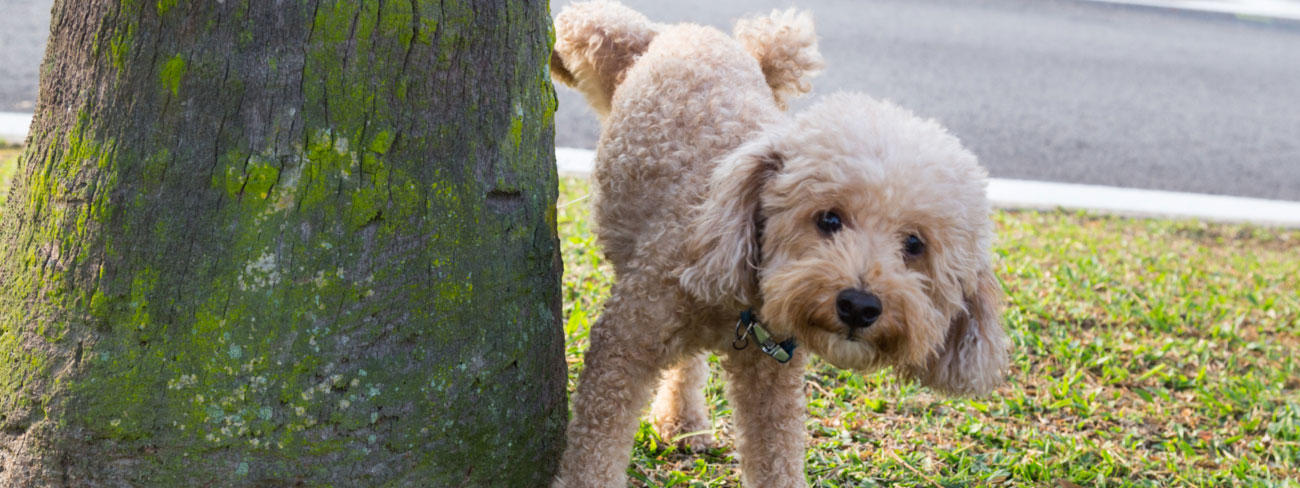
If your dog has started urinating in the house, you’re not alone. This is one of the most common challenges dog guardians face, and it can be frustrating, confusing, and even concerning.
Common Reasons Dogs Urinate Indoors
If your dog has started urinating in the house, you’re not alone. This is one of the most common challenges dog guardians face, and it can be frustrating, confusing, and even concerning.
1. Medical Issues
Before assuming it’s a behavioural problem, always rule out health concerns. Conditions like urinary tract infections (UTIs), bladder stones, kidney disease, or diabetes can cause frequent urination or accidents indoors.
2. Incomplete House Training
Young puppies, or even older rescues, may not yet fully understand where it’s appropriate to relieve themselves. Accidents are part of the learning process, especially if training wasn’t consistent or clear.

3. Anxiety or Stress
Dogs sometimes urinate in the house as a response to fear, separation anxiety, or environmental stressors (e.g., loud noises, moving homes, or new pets). Urine marking can also be triggered by changes in routine.
4. Submissive or Excitement Urination
Some dogs urinate when they feel nervous, overwhelmed, or very excited, especially when greeting people. This is common in puppies and sensitive dogs.
5. Age-Related Changes
Senior dogs may struggle with cognitive decline or weaker bladder control, making accidents more likely.
How to Stop Indoor Urination
FIirstly, DO NOT PUNISH YOUR DOG!
✅ Rule Out Medical Causes
Always consult a veterinarian first. Treating an underlying condition is the quickest path to resolving the issue.
✅ Reinforce House Training
Take your dog outside regularly (especially after meals, naps, and play).
Reward them immediately with treats, praise, or play when they urinate outdoors.
Supervise indoors and manage the environment (baby gates, crates, or confined areas) to prevent mistakes.
✅ Address Emotional Needs
Create a calm, safe environment for your dog.
Use positive reinforcement training to build confidence.
For anxiety, work with a qualified behaviourist for a tailored plan.
✅ Clean Accidents Properly
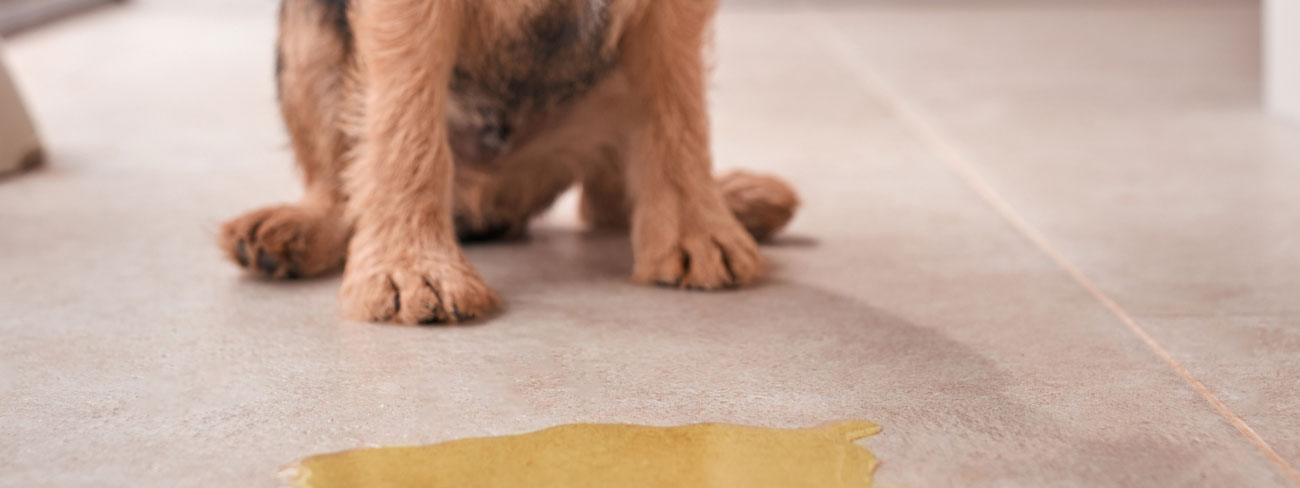
Use an enzymatic cleaner to remove urine odour completely. Dogs tend to return to spots that still smell of urine.
✅ Support Senior Dogs
Offer more frequent potty breaks, puppy pads, or outdoor access. Patience and management go a long way.
What NOT to Do
❌ Don’t punish your dog for accidents. Scolding or rubbing their nose in urine only creates fear and damages trust.
❌ Don’t withhold water – this can cause serious health issues.
❌ Don’t assume your dog is being “stubborn” or “spiteful.” Dogs don’t think that way.
When to Seek Professional Help
If the problem persists despite consistent training and a clean bill of health, it may be time to get professional support. A qualified animal behaviourist, like those at Gentled Animals, can assess your dog’s environment, history, and emotional state to create a personalised plan.
Looking for help from an animal behaviourist?
At Gentled Animals, we’re here to help you and your dog live harmoniously, with understanding and kindness at the heart of every solution.