
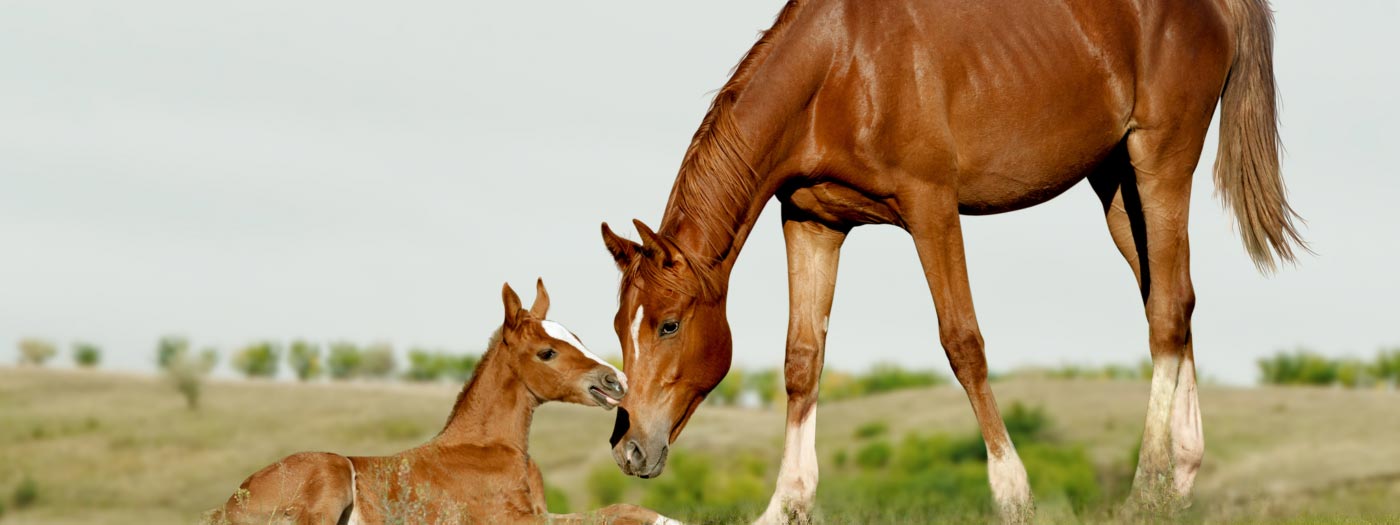
“Ethical breeding” is a phrase that’s widely used, but rarely clearly defined. In practice, many breeding decisions are still driven by market trends, aesthetics, or tradition rather than welfare, long-term soundness, or the future quality of life of the horse itself (McGreevy & McLean, 2010).
Ethical horse breeding is not about producing more horses. It is about producing horses with a higher likelihood of healthy, stable, and humane lives, while taking responsibility for the lifelong consequences of bringing an animal into the world (WOAH, 2023).
Ethical Horse Breeding Starts With a Hard Question
Should this horse be bred at all?
The most fundamental ethical question in breeding is not how to breed, but whether breeding should occur at all.
Responsible breeding requires a defensible purpose beyond sentiment, profit, or tradition (AAEP, 2021). Ethical justifications include:
Improving overall health, soundness, or temperament of the population
Preserving rare or endangered bloodlines responsibly
Producing horses for clearly defined roles with realistic, suitable long-term homes
Breeding without a credible plan for the horse’s entire lifespan places the ethical burden on the animal, not the breeder (RSPCA, 2022).
Health Must Take Priority Over Type or Trend
One of the most documented welfare issues in modern horse breeding is the prioritisation of extreme conformation or performance traits at the expense of health (European Commission, 2015).
Ethical breeding requires:
Genetic screening where tests exist
Honest evaluation of heritable conditions such as:
Orthopaedic disease
Metabolic disorders
Airway dysfunction
Neurological conditions
Excluding horses with known serious inherited disorders from breeding programs
Research shows that competitive success does not reliably predict long-term soundness or welfare, making performance-based breeding alone ethically insufficient (McGreevy & McLean, 2010).
Temperament Is a Core Welfare Criterion
Temperament is not a preference; it is a welfare issue.
Horses bred with poor stress tolerance or high reactivity are significantly more likely to experience chronic stress, handling conflict, and adverse human–horse interactions (Mills & McDonnell, 2005).
Ethical breeding actively selects for:
Emotional regulation
Trainability
Low fear reactivity
Social compatibility
Breeding horses with extreme anxiety or aggression increases the risk of neglect, abuse, repeated rehoming, or premature euthanasia (RSPCA, 2022).

The Broodmare’s Welfare Is Central to Ethical Breeding
Ethical breeding places equal moral weight on the welfare of the mare.
International welfare guidelines emphasise that broodmares must not be treated as production units, but as sentient animals with physical and psychological needs (WOAH, 2023).
Ethical practices include:
Appropriate age at first breeding
Sufficient recovery time between pregnancies
Avoiding breeding through pain, chronic disease, or poor body condition
Ensuring turnout, social contact, and freedom of movement during pregnancy
Repeated breeding that compromises a mare’s health constitutes exploitation rather than responsible animal husbandry (European Commission, 2015).
Ethical Responsibility Extends Beyond the Sale
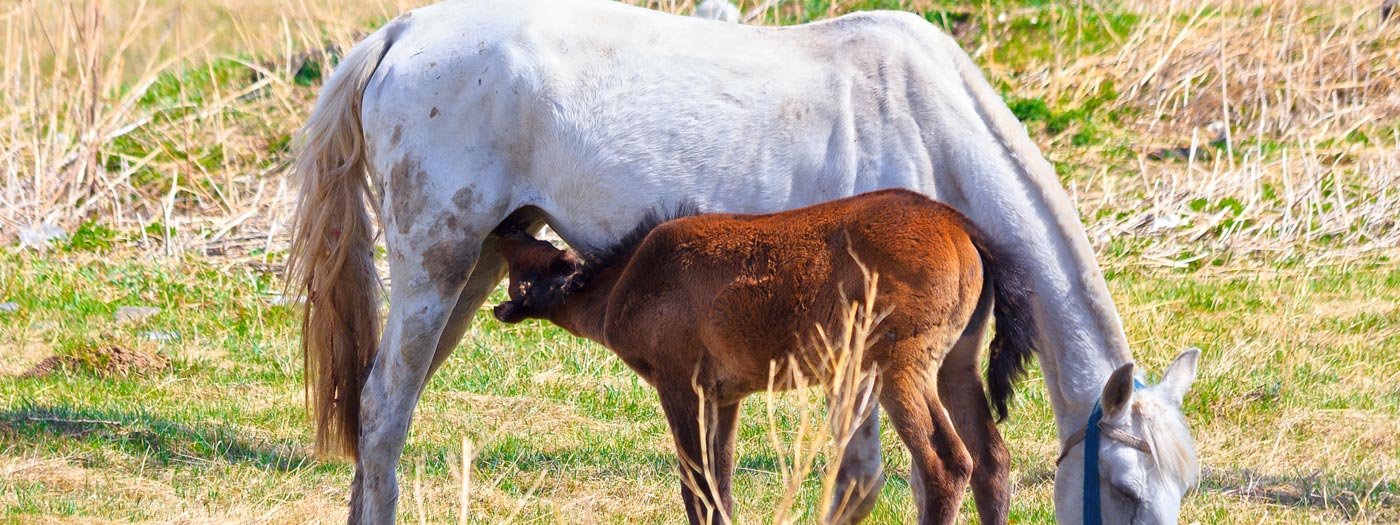
A defining feature of ethical breeding is lifetime accountability.
Ethical breeders:
Provide appropriate early handling based on learning theory, not force
Support correct nutrition and movement for skeletal development
Take responsibility for the horses they produce beyond the point of sale
This may include:
Buy-back or return clauses
Rehoming assistance
Screening buyers carefully
Tracking long-term outcomes of offspring
Industry welfare bodies consistently note that disclaiming responsibility after sale is incompatible with ethical breeding standards (AAEP, 2021; RSPCA, 2022).
Overbreeding Is a Global Welfare Problem
Overbreeding remains a major contributor to equine neglect, abandonment, and welfare system overload worldwide (RSPCA, 2022).
Ethical breeding must account for:
Existing horse overpopulation
Rescue and rehoming capacity
Realistic long-term demand, not speculative markets
Producing foals while welfare organisations are overwhelmed directly increases the risk of suffering and premature death for horses as a population (WOAH, 2023).
Ethical Breeding Is Inherently Conservative
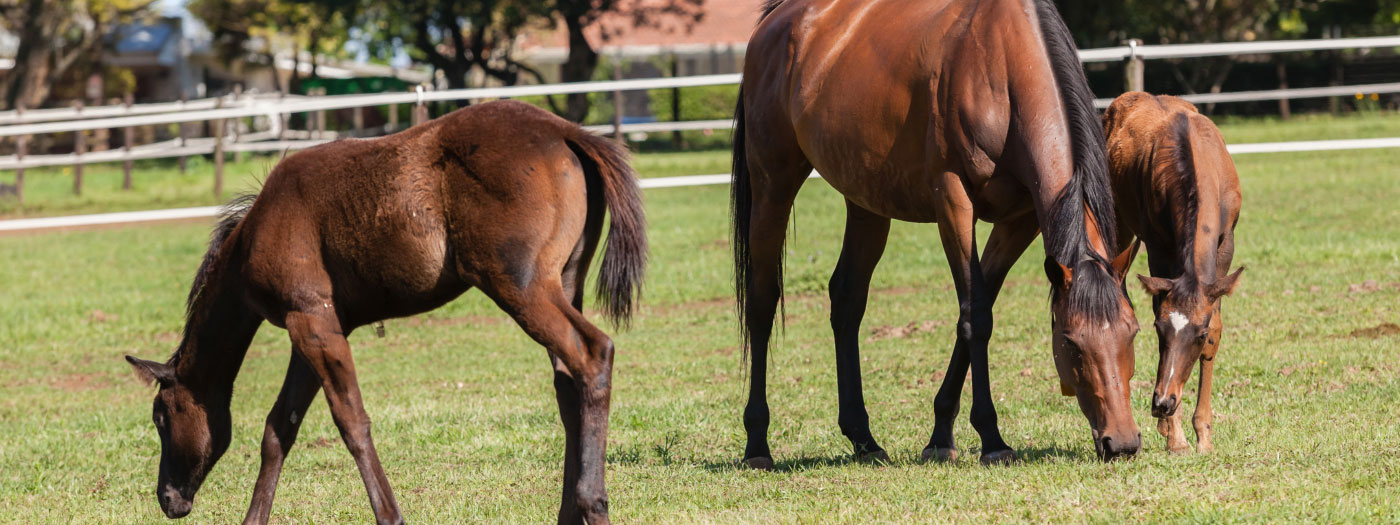
Truly ethical breeding programs tend to be:
Small-scale
Highly selective
Willing to skip breeding seasons
Focused on welfare outcomes rather than volume
From a welfare perspective, restraint is not a failure; it is a protective strategy (McGreevy & McLean, 2010).
So, What Is Ethical Horse Breeding?
Ethical horse breeding is:
Intentional
Evidence-based
Welfare-first
Accountable across the horse’s lifetime
It prioritises the interests of the horse over tradition, profit, or prestige.
If a breeding program does not demonstrably improve welfare outcomes, it cannot reasonably be described as ethical.
References
American Association of Equine Practitioners (AAEP). (2021). Guidelines for Responsible Breeding Practices.
European Commission. (2015). Welfare of Horses in the European Union.
McGreevy, P., & McLean, A. (2010). Equitation Science. Wiley-Blackwell.
Mills, D. S., & McDonnell, S. (2005). The Domestic Horse: The Origins, Development and Management of Its Behaviour. Cambridge University Press.
RSPCA. (2022). Horse Breeding and Welfare Considerations.
World Organisation for Animal Health (WOAH). (2023). Terrestrial Animal Health Code – Equine Welfare.