
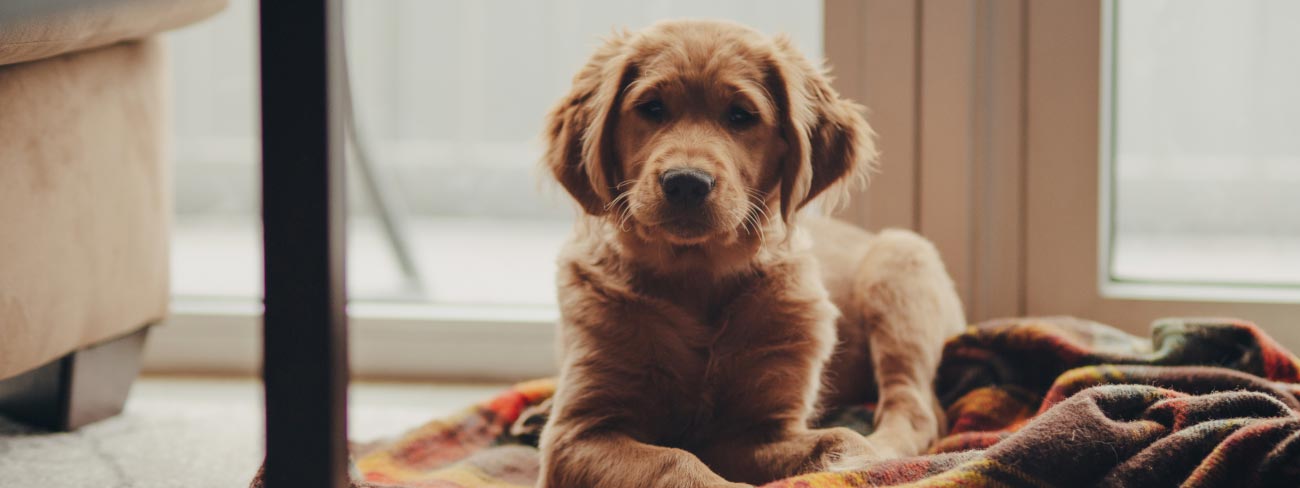
Few things are more exciting than bringing a new puppy home. Those wagging tails and playful eyes bring joy and warmth to any household. But with all the cuteness comes responsibility: your puppy is learning about the world for the very first time, and how you guide them now will shape their future.
1. Prepare Your Home
Before your puppy arrives, take a moment to “puppy-proof” your space:
Secure loose electrical cords and chargers
Keep small objects and cleaning supplies out of reach
Remove toxic plants or foods that could cause harm
Create a safe space like a crate, pen, or cosy corner where your puppy can rest
A calm, structured environment makes it easier for your puppy to settle in and feel secure.
2. Establish a Routine From Day One
Puppies thrive on structure. Setting consistent times for meals, toilet breaks, play, and rest helps them adjust quickly and makes house training easier. Routine also reduces stress and builds a sense of predictability for your new companion.

3. Introduce Your Puppy to Other Pets
If you already share your home with other pets, the first introduction needs to be handled with care.
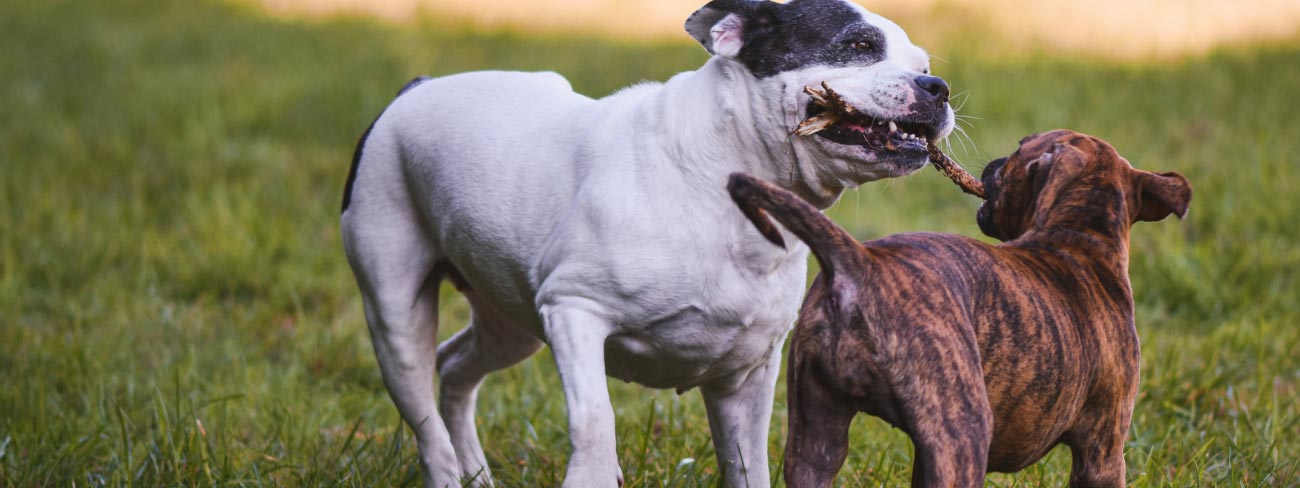
Meeting Dogs
Choose a neutral location like a safe park or garden
Keep both dogs on lead but relaxed, allowing natural sniffing and interaction.
Praise and reward calm curiosity, and gently separate if things get tense.
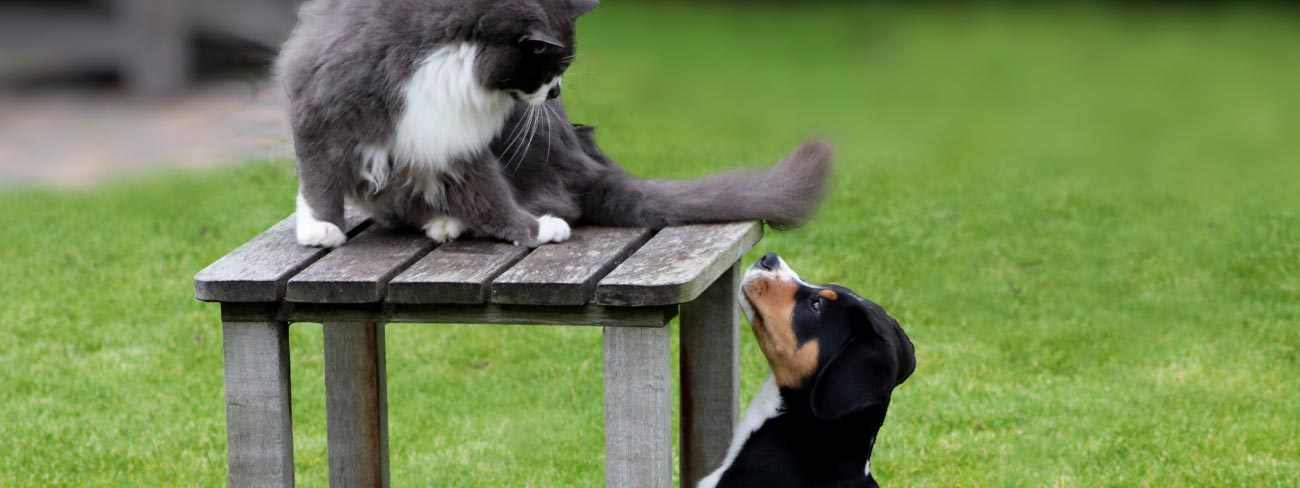
Meeting Cats
Provide your cat with escape routes and safe spaces, such as high perches or separate rooms.
Begin with scent introductions – let your cat smell your puppy’s bedding or toy before meeting in person.
For the first face-to-face meeting, keep your puppy on lead while the cat decides how close to get.
Tip: Never force interactions. Let relationships develop gradually. With patience and positive reinforcement, most pets can learn to coexist and often become the best of friends.
4. Start Positive Training Early
Training isn’t just about teaching commands – it’s how you and your puppy learn to communicate. Begin with simple cues like “sit” and “come,” rewarding with treats, toys, or praise. Keep sessions short and fun, and avoid punishment. Positive reinforcement builds confidence and trust, while harsh corrections can create fear.
5. Socialisation Matters
The first few months of a puppy’s life are a critical window for socialisation. Expose your puppy safely to a variety of people, places, sounds, and experiences. Introduce them to gentle handling, car rides, and grooming sessions. Every positive encounter will help your puppy grow into a well-adjusted adult dog who is comfortable in the world.
6. Don’t Forget Regular Vet Visits
A healthy puppy is a happy puppy. Regular veterinary care is essential, including:
Vaccinations: Puppies need a series of core vaccines to protect them from serious diseases.
Health Checks: Routine exams allow early detection of health issues, parasites, or developmental concerns.
Preventative Care: Flea, tick, and worm prevention, as well as diet advice, help your puppy grow strong and healthy.
Schedule your first vet visit within the first few days of bringing your puppy home. Bring any previous records from the breeder, and follow the recommended vaccination and wellness plan consistently.

7. Be Patient and Celebrate Small Wins
Your puppy is learning everything for the very first time. Accidents will happen, shoes may get chewed, and routines may slip. What matters most is consistency, patience, and celebrating the small victories. Each success builds your puppy’s confidence and strengthens your bond.
Bringing a new puppy into your home is the beginning of a beautiful journey. By preparing your space, creating routines, thoughtfully introducing them to other pets, focusing on positive training, socialisation, and keeping up with regular vet care, you’re setting your puppy up for a happy and balanced life.
Looking for help from a dog behaviourist in Cape Town?
At Gentled Animals, we’re here to help you and your dog live harmoniously, with understanding and kindness at the heart of every solution.