
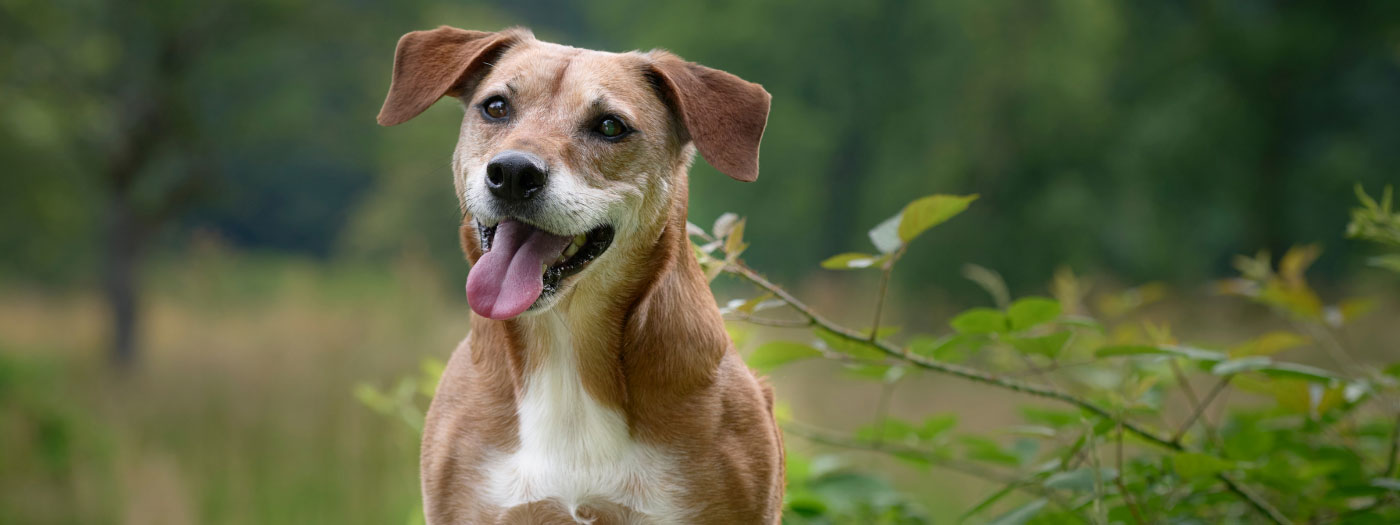
Understanding the Needs of an Ageing Dog
As dogs grow older, their bodies and minds change – just like ours. Senior dogs often slow down, sleep more, and may face health issues like joint stiffness, dental problems, or decreased hearing and vision. But ageing doesn’t mean their quality of life must decline. With the right care, your senior dog can enjoy comfort, security, and joy every single day.
Nutrition for a senior dog
A senior dog’s metabolism naturally slows down, meaning they need fewer calories but higher-quality nutrients.
Choose a senior-specific diet with optimal protein and joint-supporting supplements like omega-3 fatty acids and glucosamine.
Watch their weight: extra kilograms put strain on joints and the heart.
Hydration matters: older dogs can become dehydrated easily, especially in warmer months.
Check teeth and gums regularly: dental pain can stop a dog from eating properly.
TIP: Ask your vet about bloodwork once a year to catch early signs of kidney or liver issues.
Gentle Exercise and Mobility Support
Regular, low-impact exercise keeps your senior dog’s body flexible and their mind sharp.
Short, frequent walks are better than one long outing.
Swimming or hydrotherapy can relieve joint pressure while maintaining muscle tone.
Provide traction at home (like rugs or mats) to prevent slipping on tiles or wood floors.
Use ramps or steps for beds, couches, or cars if your dog struggles to jump.
If your dog has arthritis or stiffness, ask your vet about joint supplements, acupuncture, or physiotherapy.
Comfort Is Everything
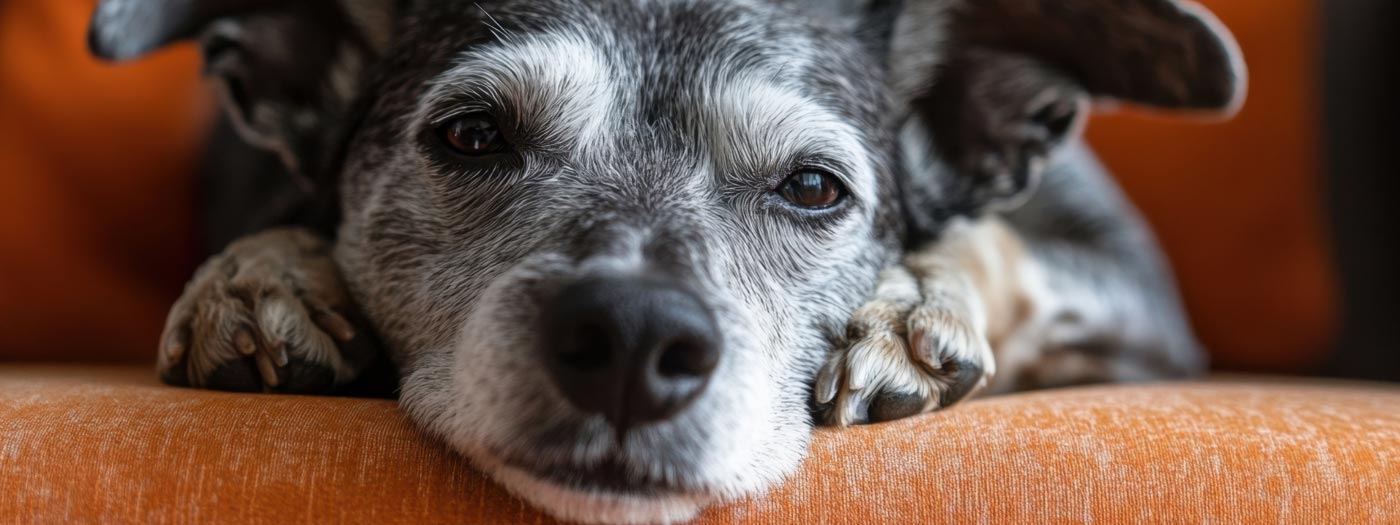
Senior dogs spend more time resting, so make sure their environment supports comfort and ease:
A soft, orthopedic bed keeps pressure off joints.
Keep their sleeping area warm and draft-free.
Make sure food and water bowls are raised to shoulder height to reduce strain on the neck and spine.
Night lights can help older dogs navigate if their vision has dimmed.
Mental and Emotional Wellbeing
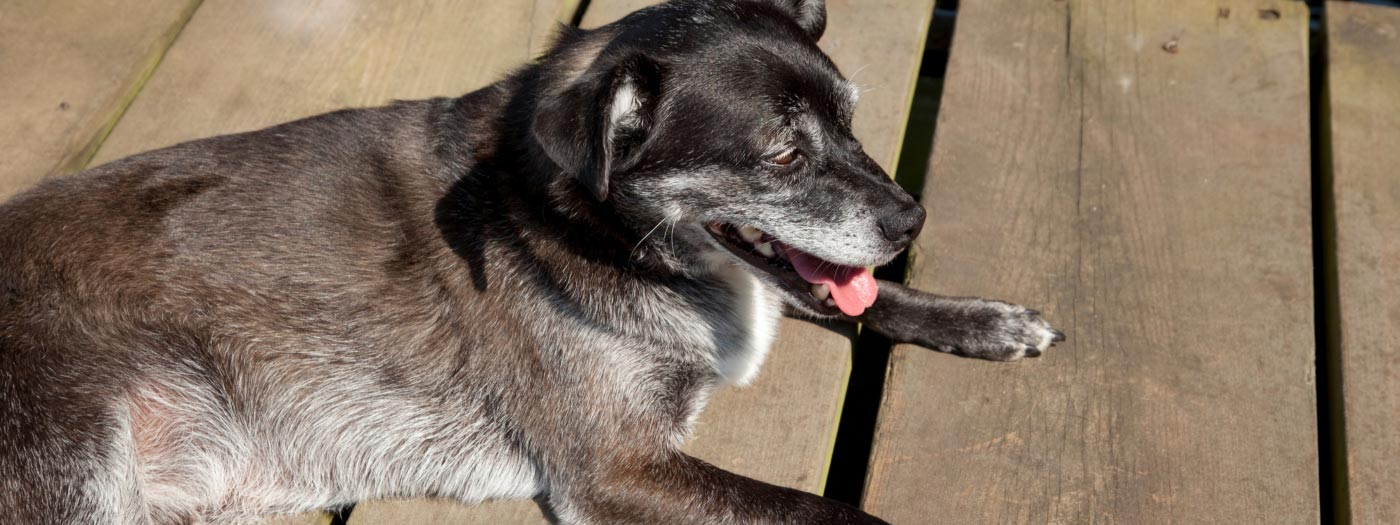
Senior dogs can experience cognitive decline (sometimes called “doggy dementia”), leading to confusion, anxiety, or restlessness. You can help by:
Keeping routines predictable – same feeding and walking times each day.
Using scent-based enrichment (hide treats or use snuffle mats).
Offering gentle play and training sessions to keep their minds active.
Giving them extra affection and reassurance.
Regular Health Checks and Early Intervention

As dogs age, preventive care becomes more important than ever.
Schedule biannual vet visits instead of annual ones.
Discuss any subtle changes – like drinking more water, sleeping in odd places, or becoming irritable. These can be early signs of illness.
Ask your vet about pain management options that align with your dog’s lifestyle and health condition.
A little vigilance now can prevent major discomfort later.
Helping your senior dog live their best life means honouring who they are — loyal, loving, and wise. With patience, attention, and gentle care, you can make their later years full of joy, safety, and connection.
Looking for help from a qualified animal behaviourist?
At Gentled Animals, we’re here to help you and your dog live harmoniously, with understanding and kindness at the heart of every solution.