
When you practise reward-based (R+) horsemanship, your training methods, your expectations, and the way you want your horse handled can look very different from traditional approaches. While many owners are shifting toward kinder, science-backed handling, not all equine service providers—like farriers, vets, bodyworkers, or dental technicians – are used to working with R+ trained horses.
That’s why it’s essential to educate your service providers, advocate for your horse’s emotional safety, and build a collaborative partnership that supports low-stress, cooperative care.

Why Your Service Providers Need to Understand R+ Handling
Most equine professionals were trained in environments where horses are expected to “stand still,” “behave,” or comply quickly. If a horse hesitates, many providers default to pressure, dominance-based interpretations, or even quick aversive actions (like tapping with a whip or shanking a lead rope) to “correct” the behaviour.
However, an R+ horse owner understands something different:
✔ behaviour is communication
✔ fear or avoidance is not disobedience
✔ leaning, moving away, or stepping forward are information, not challenges
✔ empathy and consent lead to safer, more effective handling
Your horse’s welfare – and the long-term success of veterinary or farrier procedures – depends on your providers respecting this approach.
How to Advocate for R+ Handling During Appointments:
1. Explain Your Horse’s Training History
Before the appointment, let your provider know:
that your horse is trained with reward-based methods
which cues they recognise
how you reinforce calm behaviour
what might be stressful or triggering for your horse
This simple conversation helps prevent misunderstandings and ensures everyone is aligned before work begins.
2. Set Expectations: No Aversives, No “Dominance” Mindset
It’s okay to be crystal clear:
No smacking, tapping, or whipping to move the horse.
No forcing them back or forwards through pressure.
No dominance-based framing (“she’s being bossy/dominant”).
Explain that your horse responds best to:
positive reinforcement
calm, predictable movements
choice (pausing when overwhelmed)
gradual exposure
cues they already understand
Service providers often appreciate the guidance when it’s framed positively and professionally.
3. Partner With Your Providers, Don’t Police Them
The goal isn’t to criticise, it’s to collaborate.
You can say:
“She’s trained using R+. If she gets worried, it helps if I cue her and reward her. It keeps everything safer and calmer.”
Offer to:
hold the horse
provide reinforcement
do the cueing
set up the environment
give the provider breaks if the horse needs to reset
This keeps appointments smooth and reduces everyone’s stress.
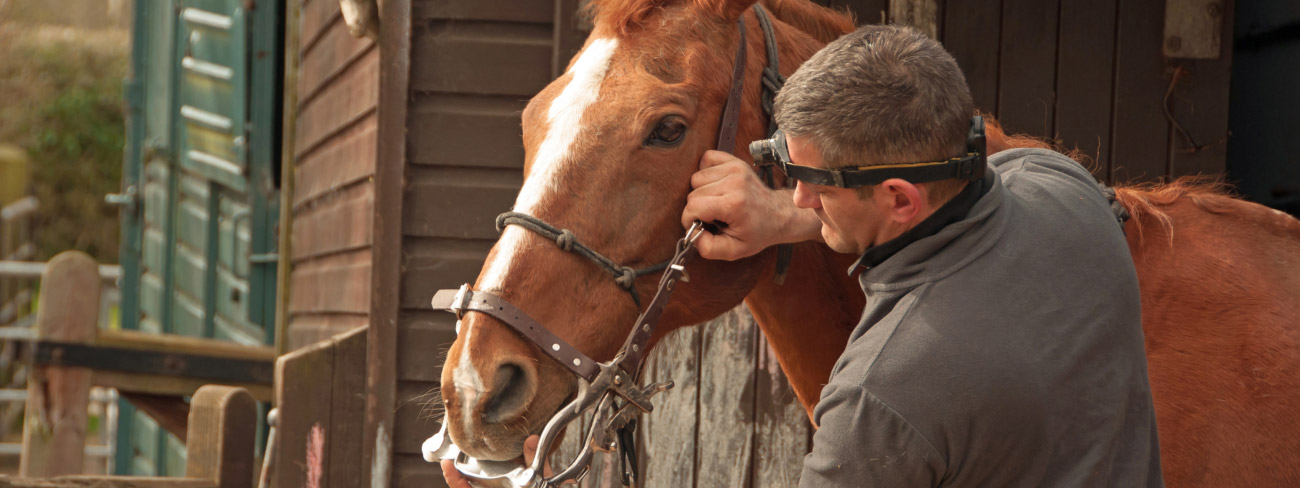
4. Allow Extra Time, Your Horse Will Thank You
R+ horses often need:
more decompression time
breaks during handling
a slower approach to unfamiliar tools or procedures
Yes, the appointment might take longer, but the payoff is huge:
lower stress
better long-term behaviour
safer handling for everyone
a horse who trusts the process instead of tolerating it
Most professionals are happy to slow down when they understand why, and if they refuse, then it’s a sign to move on to another.

5. Celebrate Providers Who Are Willing to Learn
Many farriers, physios, and vets are becoming more open to low-stress handling, especially when they see how cooperative an R+ horse can be.
Thank them. Recommend them. Support them. Building a network of professionals who respect your values benefits your entire equine community.

The Long-Term Benefits of Educating Your Team
When your providers adopt your horse’s style of handling, you’ll notice:
calmer, happier appointments
fewer behavioural regressions
increased trust and confidence
reduced sedation needs
easier future handling and hoof care
a true welfare-focused partnership
Your horse becomes a willing participant, not a restrained object. And your service providers get a safer, smoother working environment.
What to Do When a Service Provider Refuses to Work in Your Horse’s Best Interest
Sometimes, even after explaining your horse’s training style, cues, and welfare needs, a service provider may still insist on using pressure and force, not allowing your horse time to decompress, or even using outdated “dominance” techniques. If a professional refuses to adjust their approach, it’s important to protect your horse by setting a clear boundary. Calmly restate your expectations, explain why those methods aren’t acceptable, and pause the appointment.
You are allowed to say “no, thank you” and end the session if their handling compromises your horse’s emotional or physical safety. Horses cannot advocate for themselves, so it’s up to us to choose professionals who respect modern, welfare-based handling. When someone won’t adapt, it’s not a conflict, it’s simply a sign that it’s time to find a provider whose values align with yours and who is willing to work with your horse, not against them.
Advocacy Is Part of Good Horsemanship
As an R+ horse owner, your role is not just training your horse, it’s teaching the humans around them how to support that training. By educating your equine service providers and standing firm on welfare-based handling, you create a safer, kinder, and more cooperative horse for life.
Your horse deserves a team that understands them. And with patience, communication, and clear boundaries, you can help make that possible.