
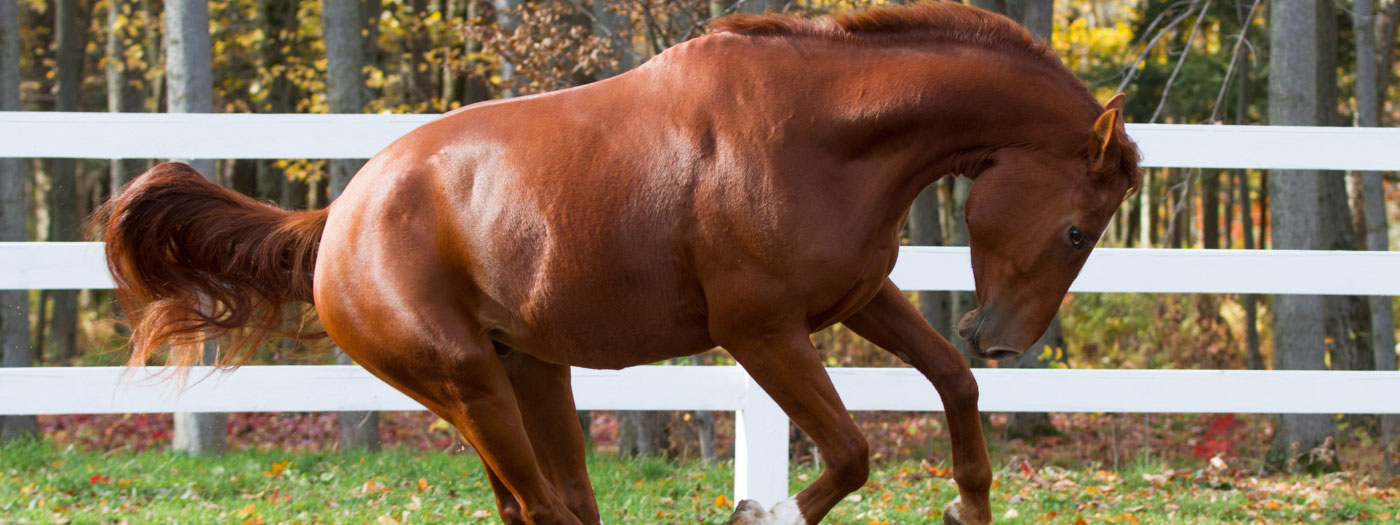
When a horse bucks, refuses jumps, or pins their ears, the first thought many riders have is: “My horse is being naughty.”
But what if that behaviour is actually your horse’s way of saying, “I’m in pain”?
Horses are prey animals, and their natural instinct is to hide discomfort. That means pain often shows up as subtle changes in behaviour or movement, not always as obvious swelling.
Here are 10 common signs your horse might be in pain, and what you can do to help.
1. Resistance Under Saddle
If your horse suddenly refuses to go forward, bucks when asked to canter, or starts throwing their head, it’s time to look deeper.
Possible causes:
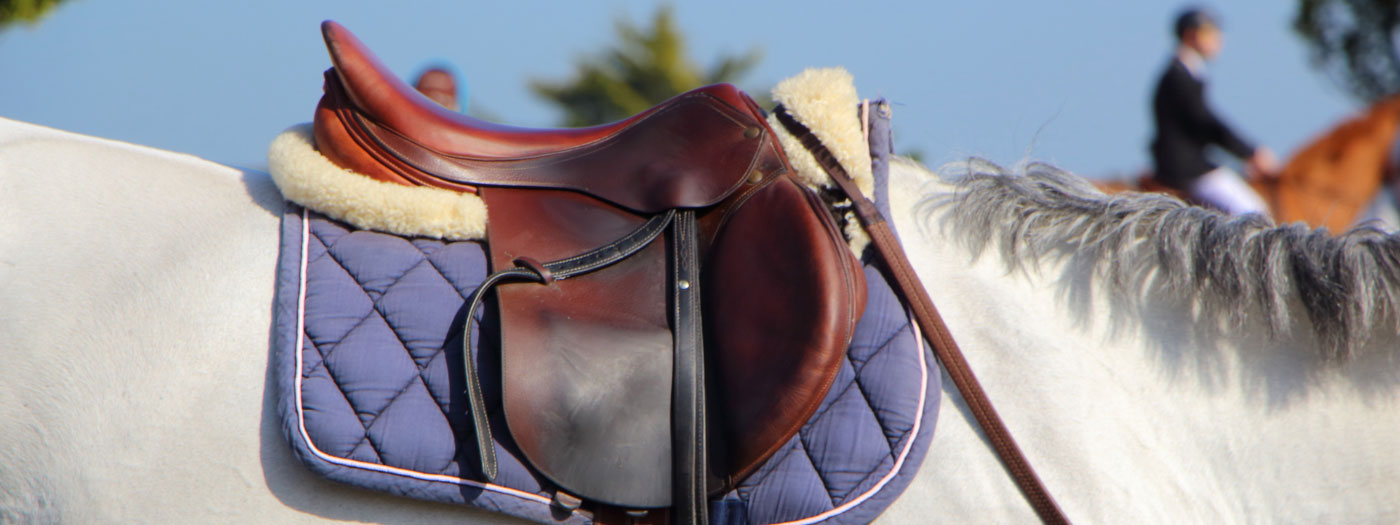
Poor saddle fit
Sore back or neck muscles (musculoskeletal pain)
Mouth pain from the bit or dental issues
2. Shortened or Uneven Stride
A horse that feels “off” or irregular may not be lame enough to show an obvious limp, but something is definitely wrong.
Watch for:
Shorter strides on one side
Reluctance to pick up or hold a lead
Difficulty with transitions (mainly upward)
Even mild asymmetry can signal joint, tendon, or hoof discomfort.
3. Changes in Appetite or Drinking
If your horse suddenly eats or drinks less, struggles to finish hay, or drops feed, pain might be involved.
Common culprits:
Dental pain
Gastric ulcers
TMJ pain
Ulcers are especially common in performance horses and can cause irritability, girthiness, or poor condition.
4. Girthiness or Flinching When Touched
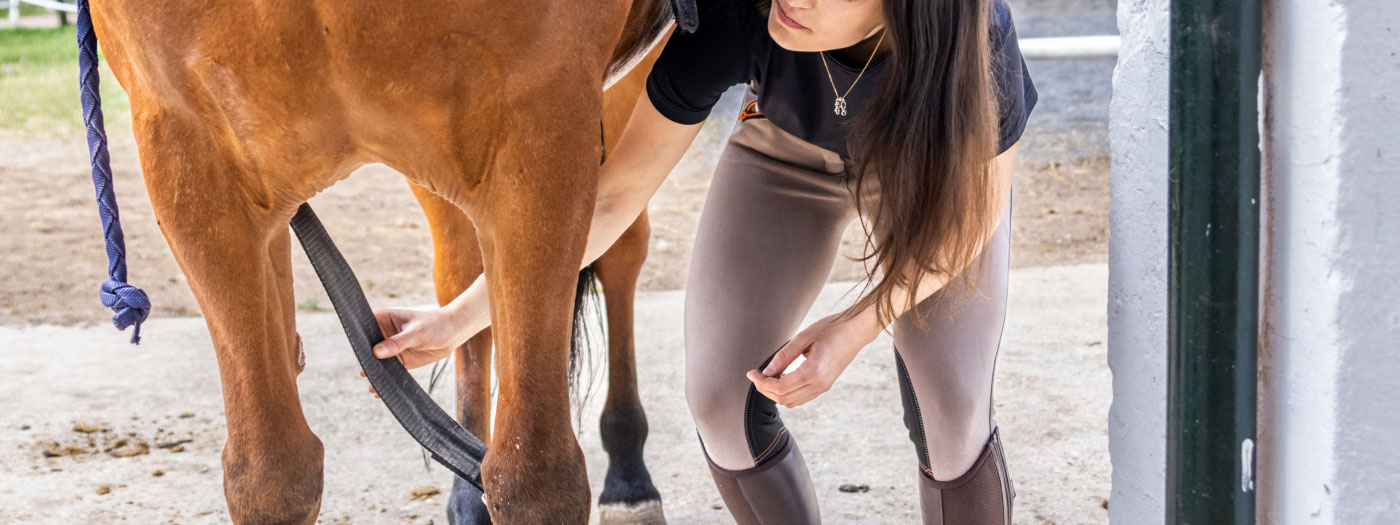
Does your horse pin their ears, bite, or move away when you tighten the girth or brush their sides? That’s not “bad behaviour”, it’s communication.
Possible causes:
Muscle tension or rib pain
Ulcers
Poor saddle fit
These reactions deserve a closer look, not punishment.
5. Aggression or Sudden Mood Changes
If your horse suddenly becomes irritable, anxious, or withdrawn, pain may be behind it.
Behavioural changes to note:
Tail swishing or ear pinning when ridden
Refusal to be caught or handled
Increased anxiety or spooky behaviour
Horses often lash out when they can’t escape what’s hurting them.
6. Lying Down More (or Less) Than Usual
Horses normally lie down for short periods. Changes in this pattern such as lying down excessively or avoiding it, can be a pain red flag.
Common causes:
Joint or hoof pain making it hard to stand or rise
Digestive discomfort
Back or pelvic pain
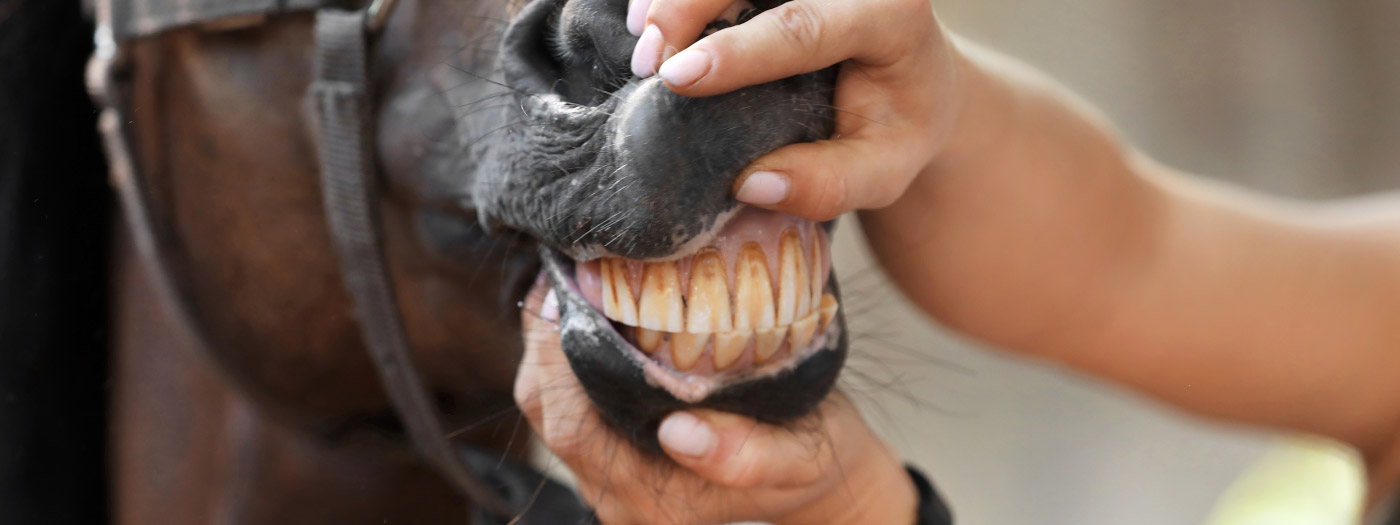
7. Grinding Teeth or Yawning Excessively
These signs are sometimes easy to miss but often linked to discomfort, particularly from ulcers, TMJ tension, or bit issues. (Stress is often also a culprit).
If you notice teeth grinding during grooming or riding, it’s worth consulting a vet, equine physiotherapist or equine dentist.
8. Weight Shifting or Uneven Stance
A horse constantly shifting weight between legs, standing “camped under,” or holding a limb awkwardly may be trying to relieve pain.
Look for:
Reluctance to lift a hoof
Shifting hindquarters
Resting one leg excessively
9. Difficulty Concentrating or “Explosive” Reactions
Horses in pain are often tense and reactive. They may:
Overreact to cues
Rush transitions
Bolt or rear unexpectedly
If training suddenly feels like a battle, it’s time to pause and reassess – not push harder.
10. Gut Instinct - Something Just Feels “Off”
You know your horse better than anyone. If something feels wrong – even if you can’t pinpoint it -trust that instinct. Subtle pain can easily masquerade as defiance, laziness, or stubbornness.
What to Do if You Suspect Pain
If several of these signs sound familiar, here’s what to do:
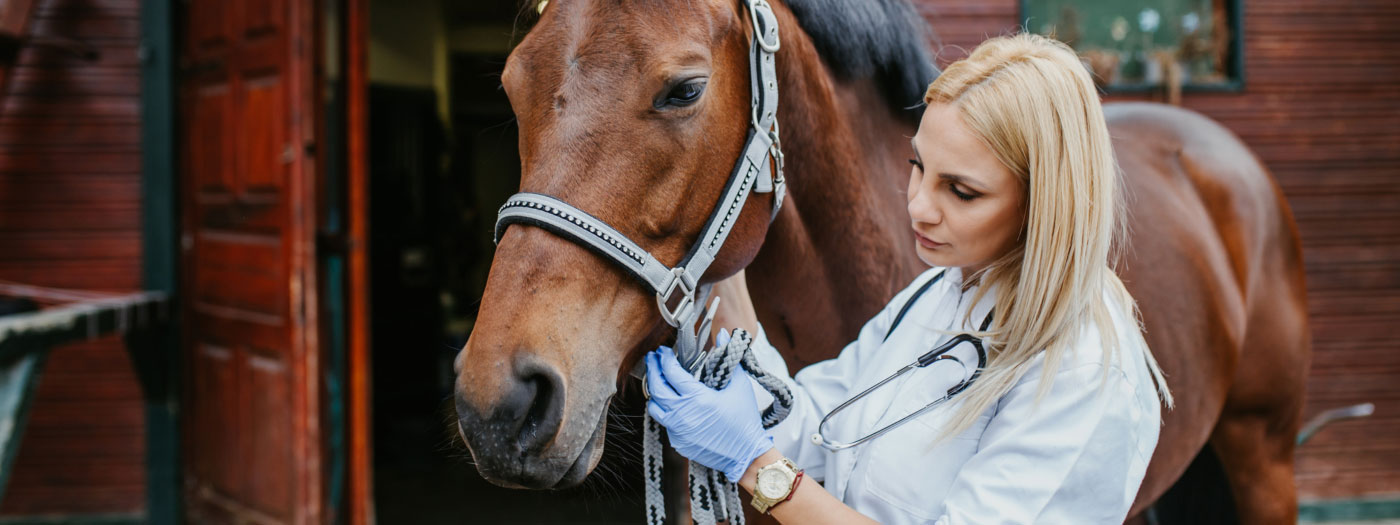
Call your vet for a full examination. (take them to the vet practice, preferably)
Check saddle and tack fit with a professional fitter.
Schedule dental care if it’s been over 6–12 months.
Consult an equine physio, Osteopath or bodyworker for musculoskeletal pain.
Review your horse’s diet and workload to reduce gut or joint stress.
Horses dont lie. No horse wants to be difficult. Pain changes behaviour, and recognising it early is one of the kindest things you can do for your horse.
Looking for help from a qualified equine behaviourist?
At Gentled Animals, we’re here to help you and your horse live harmoniously, with understanding and kindness at the heart of every solution.